Castiny BetaYou're exploring an early version. Your feedback shapes the platform.
Back to the hub



View profile 
 NEWS
NEWS NEWS
NEWS NEWS
NEWS
LittleRice Level 40
0
Level 40NewsPCPlayStation 5Xbox Series X|SNintendo Switch 2
Onimusha Is Back After 20 Years, and the Reviews Say Capcom Nailed the Sword Combat
Twenty years after Onimusha disappeared, Capcom has finally brought it back. Way of the Sword arrives this week with an 86 Metacritic score on PS5
7 viewsSeptember 1, 2026 6 min English
Twenty years after Onimusha disappeared, Capcom has finally brought it back. Way of the Sword arrives this week with an 86 Metacritic score on PS5, a perfect 10 from IGN, and critics repeatedly praising one thing above everything else: fighting with a sword feels fantastic. This is not an open-world samurai RPG and it is not trying to be another Soulslike. It is Capcom making a brutally focused action game about becoming terrifyingly good with a blade.
Onimusha has been gone for so long that an entire generation probably knows the name mainly from old PlayStation conversations and that Netflix series. The last completely new mainline game arrived back in 2006. Now Capcom is dropping Onimusha: Way of the Sword into one of the busiest gaming years imaginable and putting legendary swordsman Miyamoto Musashi at the centre of it.
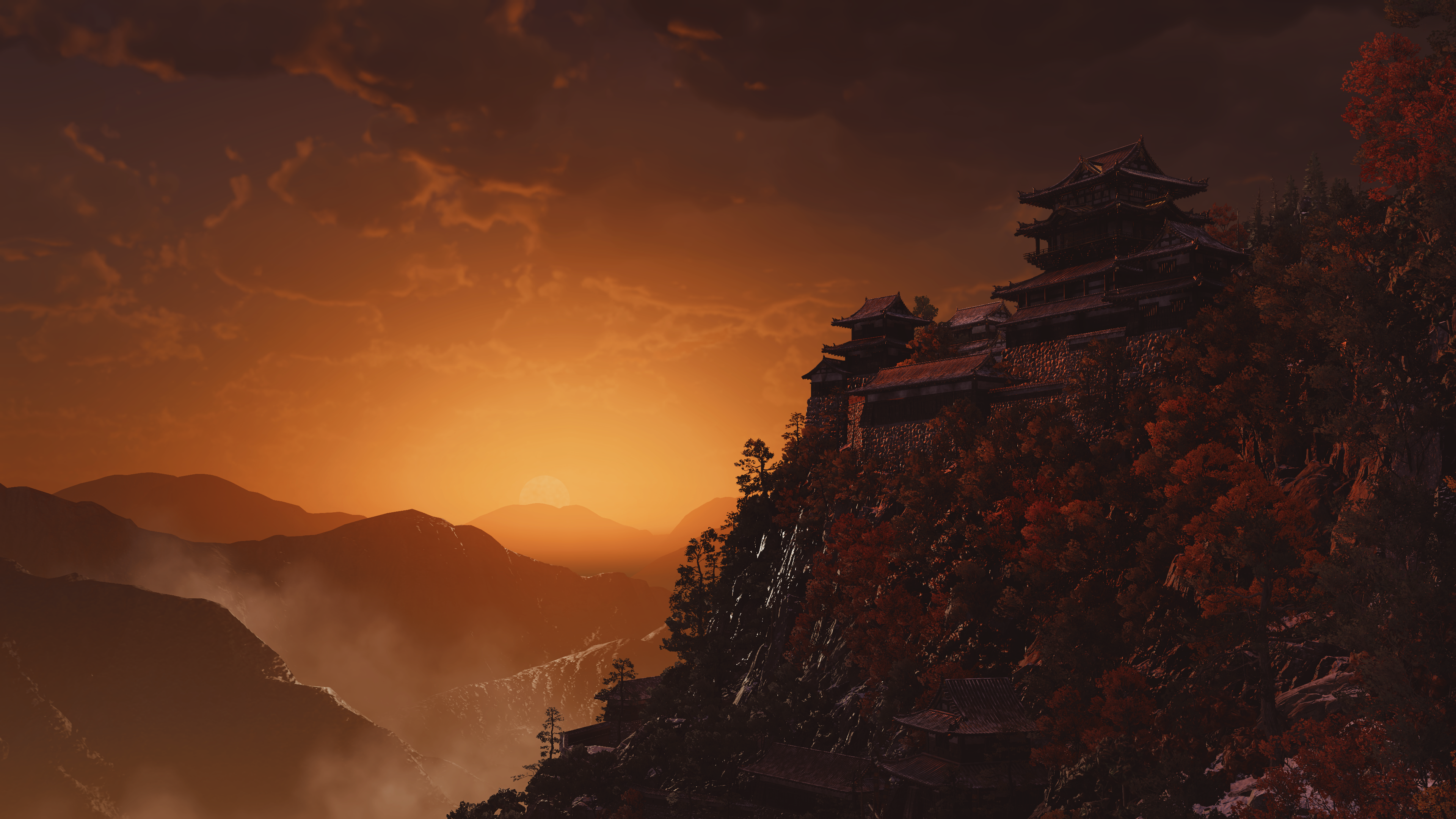
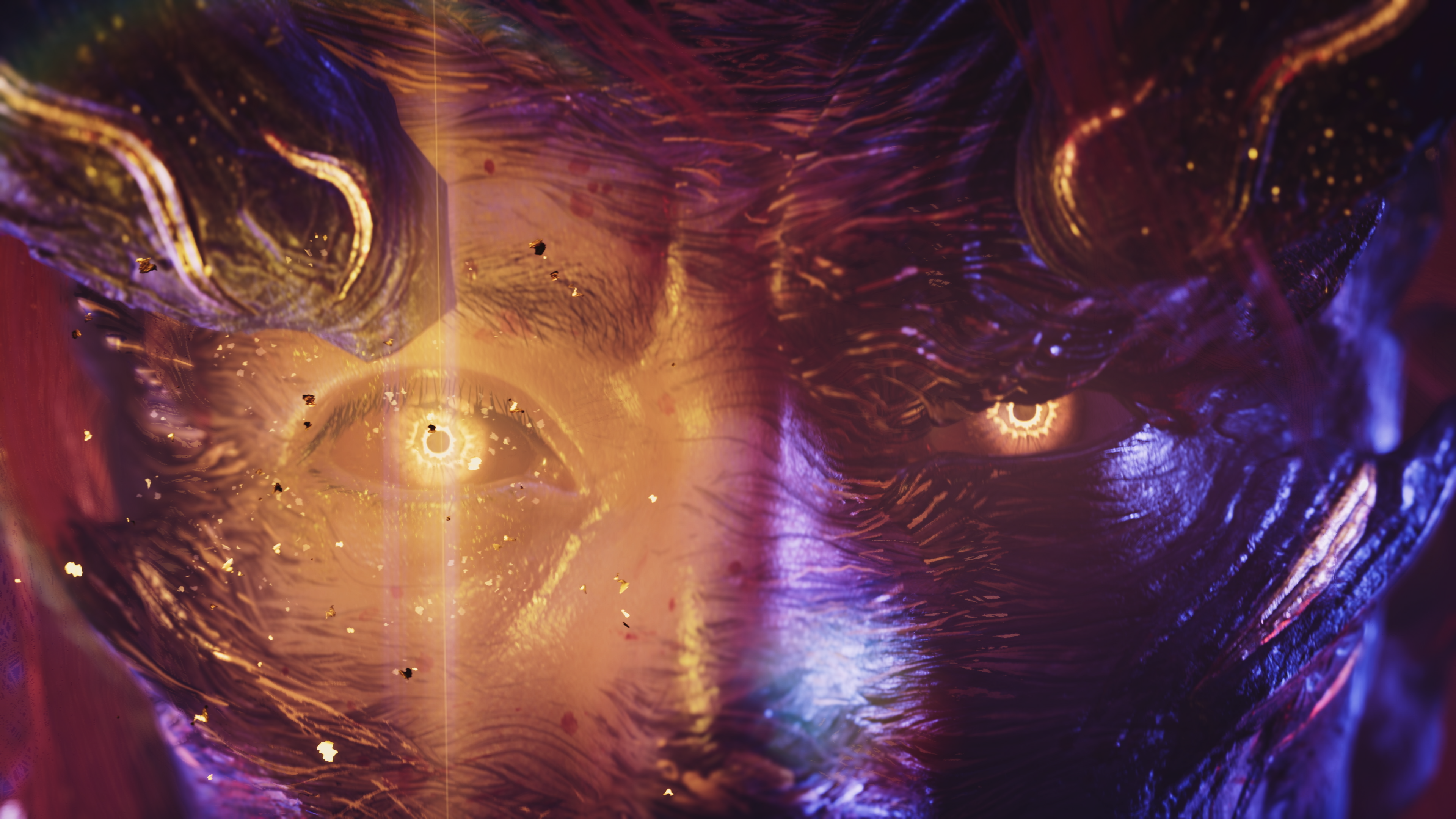
The setting is early Edo-period Kyoto, except history has developed a fairly serious demon problem. Monstrous Genma infest temples, streets and mountains while Musashi finds himself carrying the Oni Gauntlet, an artifact capable of absorbing the souls of defeated enemies. Capcom based his appearance on legendary Japanese actor Toshirō Mifune, whose samurai films helped define what the archetype looks like on screen.
And this Musashi is not a calm philosopher politely discussing the meaning of honour. He likes fighting. A lot.
The Sword Fighting Is the Reason Everyone Is Talking
PC Gamer gave Way of the Sword an 83, calling its combat a superb mixture of classic Capcom action and weighty physical sword fighting. Game Informer scored it 8/10 and described the fights as intricate, difficult and capable of producing genuinely sweaty palms. Even the more critical VGC review, which landed at 3/5, still praised the game's combat as one of its strongest elements.
That makes sense when you see it moving. Musashi is constantly blocking, deflecting, breaking enemy posture and waiting for tiny openings where one perfectly timed attack can completely change a fight. Swords do not simply pass through enemies while numbers fall off a health bar. They clash, stop, rebound and force both fighters to react.
The returning Issen technique is the star. Time your attack at exactly the right moment and Musashi can answer an incoming strike with a devastating counter. It is risky, extremely satisfying, and apparently dangerous to anyone who enjoys saying, "One more try, I definitely have the timing now."
Five deaths later, you will still definitely have the timing now.
Capcom has also built a new dynamic dismemberment system into the RE Engine specifically for the game. Yes, somebody at Capcom apparently looked at modern sword combat and decided the missing technological breakthrough was making sure demons come apart correctly. Game Informer's visit to Capcom revealed that the development team had to work directly with RE Engine engineers to create the system.
The Bosses Look Completely Unreasonable
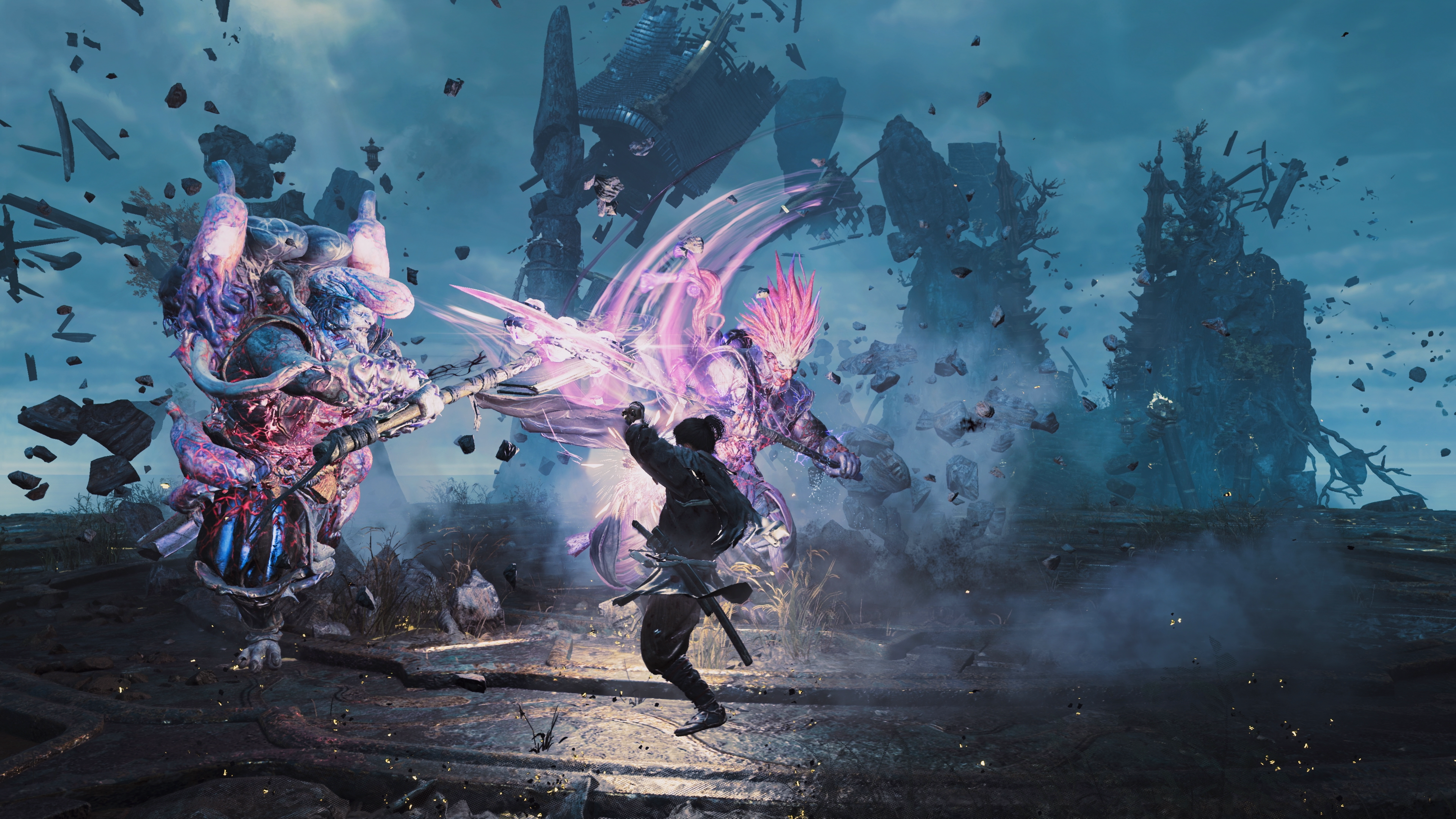
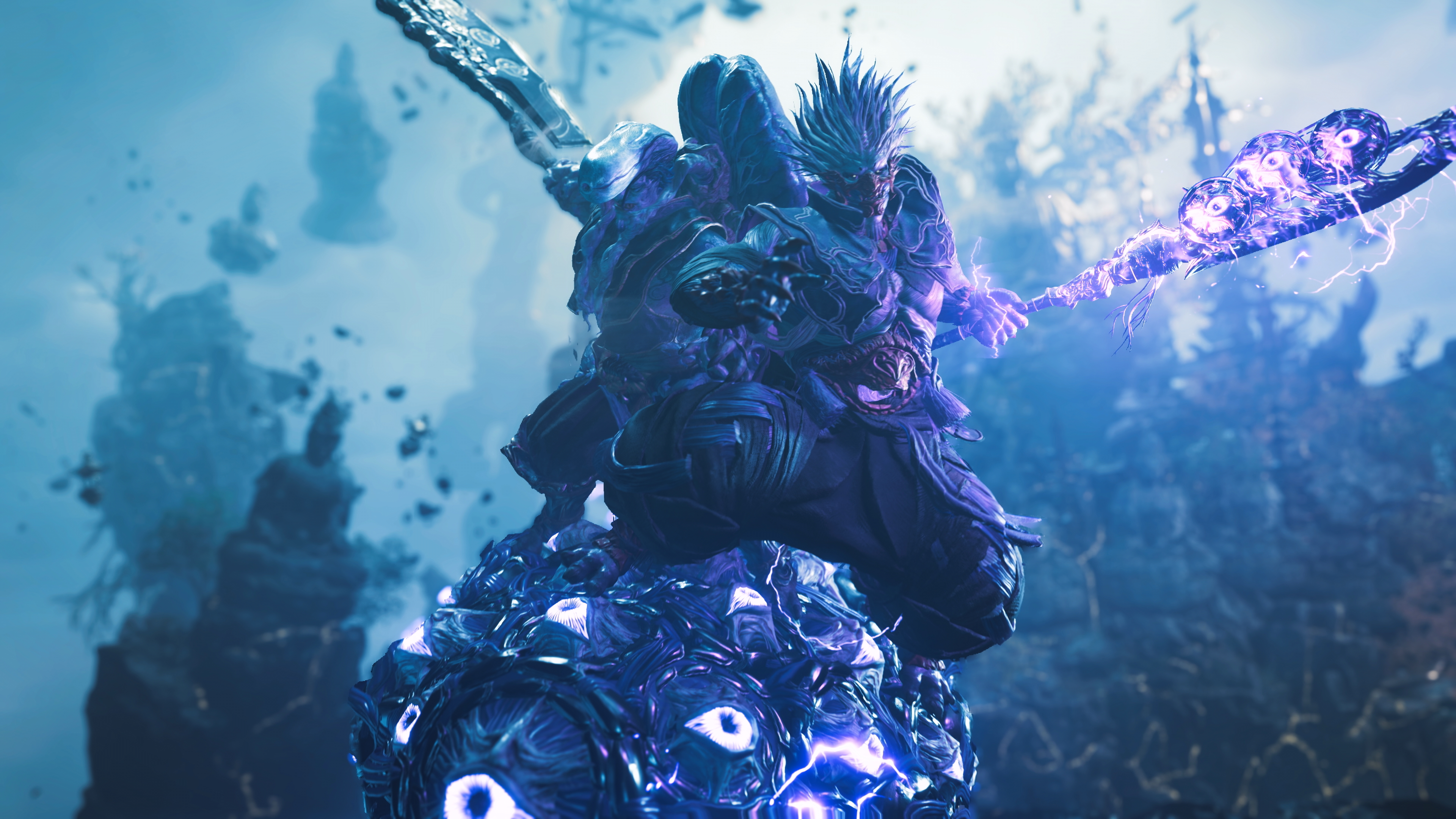
The latest trailer shows Musashi fighting Ifu and Burai, a pair of Genma brothers who apparently looked at the concept of a fair duel and rejected it immediately. One controls violent wind attacks, the other brings lightning, and yes, the game is perfectly happy putting both of them in front of you at once.
This is where Way of the Sword looks at its best. Musashi gets surrounded, blades collide, sparks fill the screen, souls start flying out of dead enemies, and suddenly that very deliberate sword combat turns into controlled chaos.
There are much stranger things waiting later. Capcom has shown enormous Genma, supernatural experiments, grotesque creatures and famous locations around Kyoto twisted into dark fantasy versions of themselves. The game also travels into Mount Oe, an area of mountains and Japanese folklore now occupied by a monstrous version of Shuten Doji.
The historical tourism board may have some concerns.
It Is Refreshingly Not Open World
This might be one of the smartest choices Capcom made.
Way of the Sword is not an open-world game. Director Satoru Nihei has also been very clear that it is not a Soulslike. There is an "open-town" section of Kyoto where players can explore, but the overall game is structured around crafted locations and action rather than asking Musashi to climb seventeen towers so icons appear on a map.
That narrower focus is showing up in the reviews. Critics who love the game keep coming back to its encounters, bosses and combat systems rather than talking about how many square kilometres of Japan Capcom managed to render.
Honestly, there are enough gigantic open worlds.
Sometimes I just want to walk into a temple, discover that everybody has turned into demons, and deal with the situation.
The Oni Gauntlet also gives the game its own rhythm. Defeated Genma release different types of souls that Musashi can absorb for benefits, creating those classic Onimusha moments where surviving the fight is only half the job. You still need to collect the glowing supernatural remains floating around the room while hoping something else does not arrive and hit you in the back.
Musashi can eventually awaken more of the Gauntlet's power too. Capcom has shown supernatural abilities that enhance movement, strength and combat, including full Oni transformations that push the action far beyond realistic sword fighting.
Which is probably for the best. Real Miyamoto Musashi never had to fight a twelve-foot demon throwing lightning at him.
As far as we know.
The Reviews Are Strong, but Not Blindly Positive
The current PS5 Metacritic score sits at 86 from more than 60 reviews, putting Way of the Sword alongside the strongest Capcom releases of 2026. IGN went all the way to 10/10, while PC Gamer landed at 83, Game Informer at 8, GamesRadar at 3.5/5 and VGC at 3/5.
The disagreement is actually interesting because almost nobody seems to be arguing about the sword combat. The criticism is mostly around everything between those fights. Several reviewers point to uneven pacing, repetitive combat arenas, side content that can feel dated and parts of the structure that still carry some early-2000s design DNA. VGC felt the game sometimes learned the wrong lessons from modern action games, while PC Gamer thought pacing was the one opponent its excellent combat could not defeat.
That makes this sound less like Capcom rebuilt Onimusha into whatever happens to be popular in 2026, and more like it actually made a very expensive new Onimusha game.
There is something strangely refreshing about that.
Capcom has spent the last several years becoming frighteningly good at bringing old names back. Resident Evil became enormous again. Devil May Cry 5 became the series' biggest success. Dragon's Dogma returned after more than a decade. Even Okami is coming back.
Now Onimusha gets its turn.
And after twenty years away, perhaps the best thing critics can say about Way of the Sword is not that it feels modern.
It is that when Musashi draws his sword and a Genma draws theirs, everything else apparently stops mattering.
Onimusha: Way of the Sword launches September 4, 2026 on PlayStation 5, Xbox Series X|S, Nintendo Switch 2 and PC.
LittleRiceLevel 40
0
Level 40


0
Meccha Chameleon: The caziest successful game of 2026
Meccha Chameleon hits 10 million copies sold in 16 days. 340,535 concurrent players on Steam.
0
Tempers, Trading and Totems: Everything That Changes in Soulframe Preludes 15
Soulframe’s Preludes 15 overhaul brings real loot drops, trading, tougher fights and a grind that finally feels worth chasing.
Jin Sakai Is Back in Ghost of Yōtei, and Sucker Punch Somehow Found the Perfect Way to Do It
Jin Sakai is officially playable again in Ghost of Yōtei: Most Wanted, complete with all four Ghost of Tsushima stances, Dance of Wrath and Ghost Stance
1 Comment
to comment
No comments yet. Be the first to share your thoughts!