Castiny BetaYou're exploring an early version. Your feedback shapes the platform.
Back to the hub


EnglishNewsPCPlayStation 5
Crimson Moon Preview: Gildenarch, Dead Gods, and Why We're Watching This Co-op ARPG
Crimson Moon is targeting a September 2026 release window for PS5, Xbox Series X|S, and PC.
15 views·June 12, 2026· 4 min read
The dark fantasy action RPG category is crowded, but ProbablyMonsters is trying to cut through the noise with something faster and more violent.
Fresh off its Summer Game Fest Play Days hands-on previews, Crimson Moon is targeting a September 2026 release window for PS5, Xbox Series X|S, and PC.
Instead of a slow, stamina-starved soulslike, Game Director David Lesperance is pitching a fast-paced, metal-music-infused power fantasy. But does it actually look fun to play?
Presentation
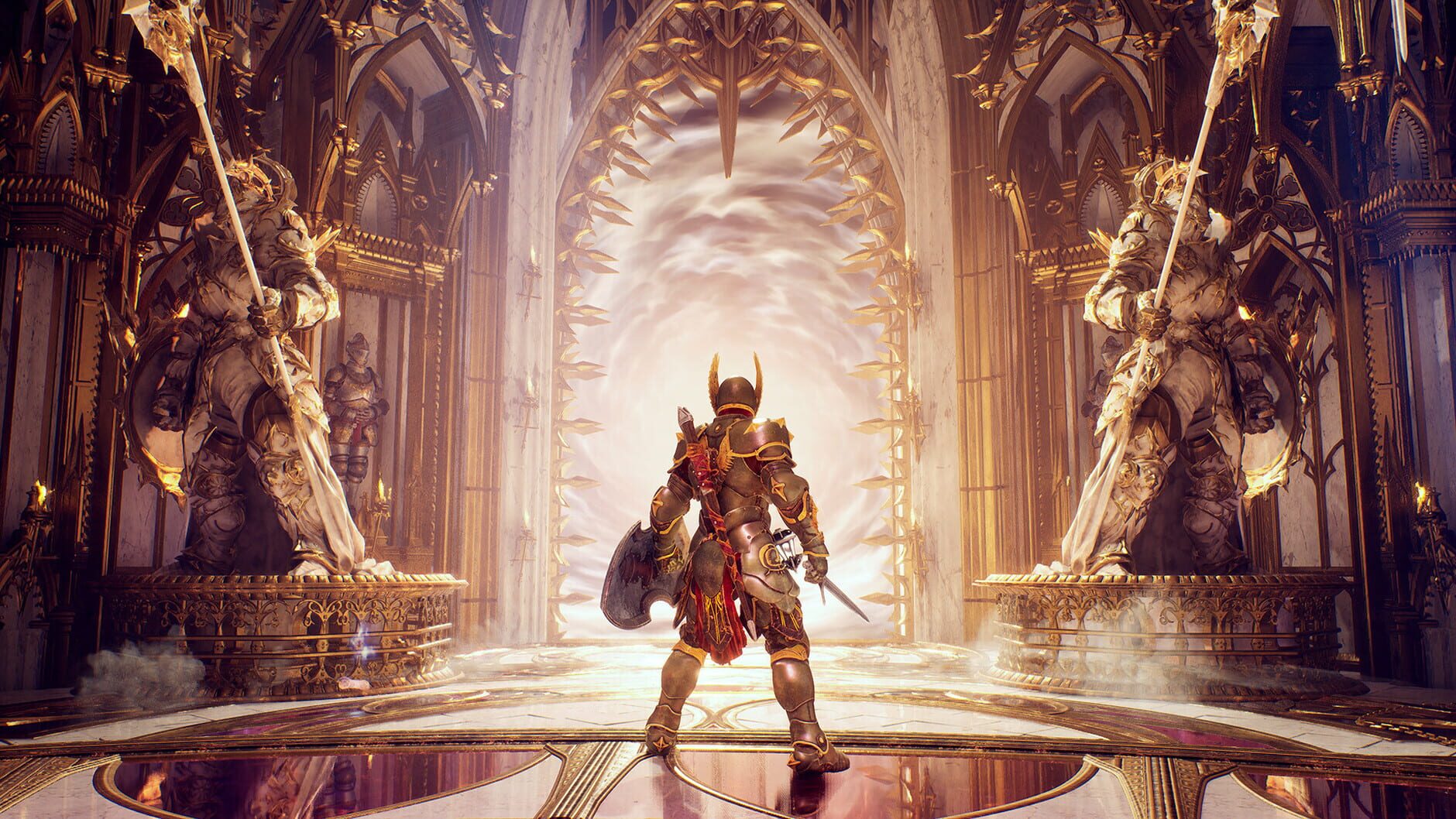
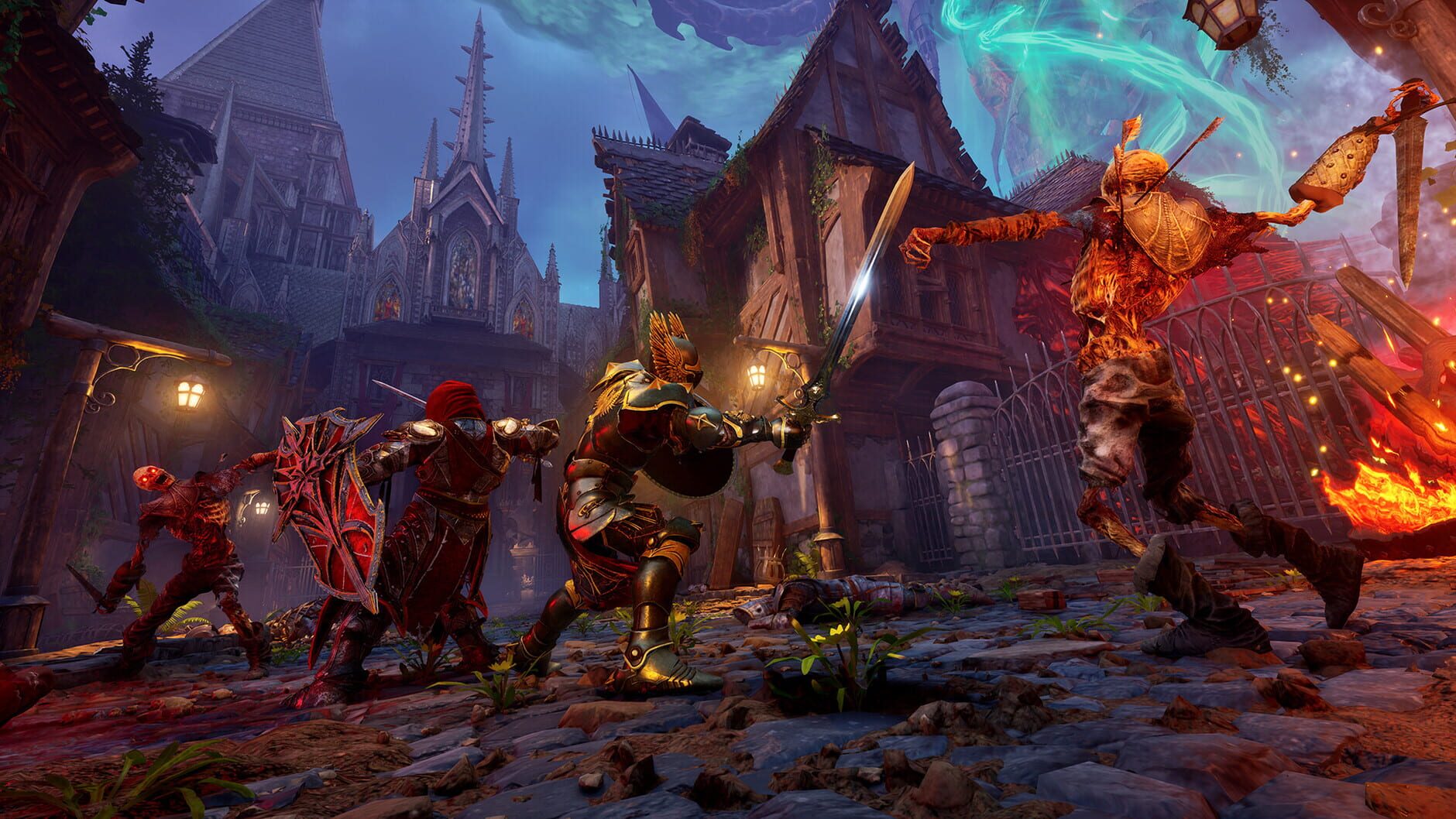
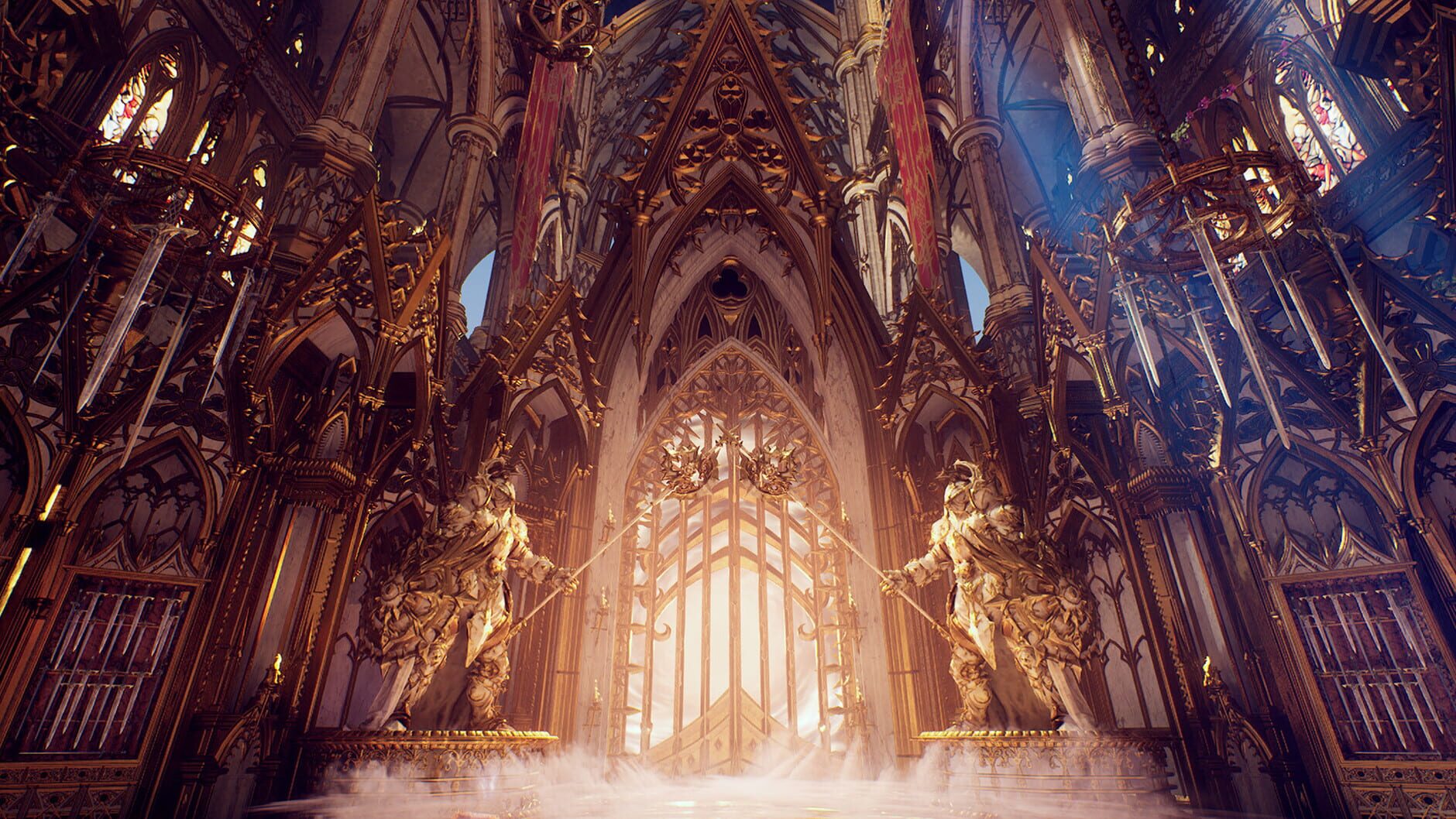
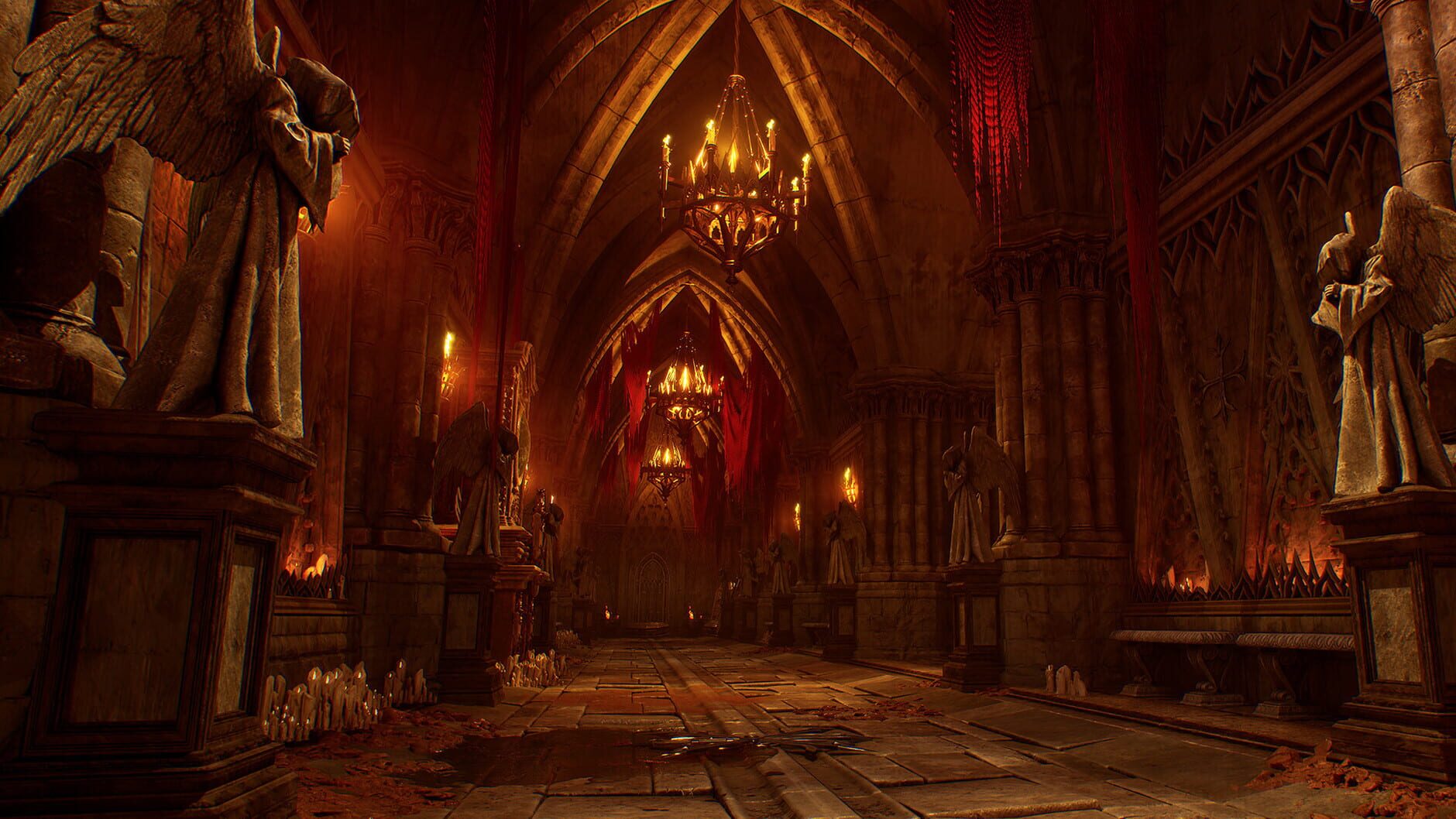
Crimson Moon is a focused, mission-based action-adventure RPG. Bypassing old-gen consoles entirely, it drops you into the ruined city of Gildenarch : a high-renaissance gothic metropolis overrun by vampires, undead, and aggressive mutations known as Hellgrowth.
You play as a Nephilim, a violent half-human, half-angel hybrid forged by the Order of the Crimson Moon to defend humanity. Between intense runs into the city's changing districts, you return to your central hub, the Church headquarters, to unlock permanent upgrades and select your next deployment from the War Table.
The Combat Looks Like the Real Selling Point
The core gameplay centers on fluid, expressive melee action. Unlike games that force you into defensive, passive patterns, the Nephilim toolkit is built for momentum.
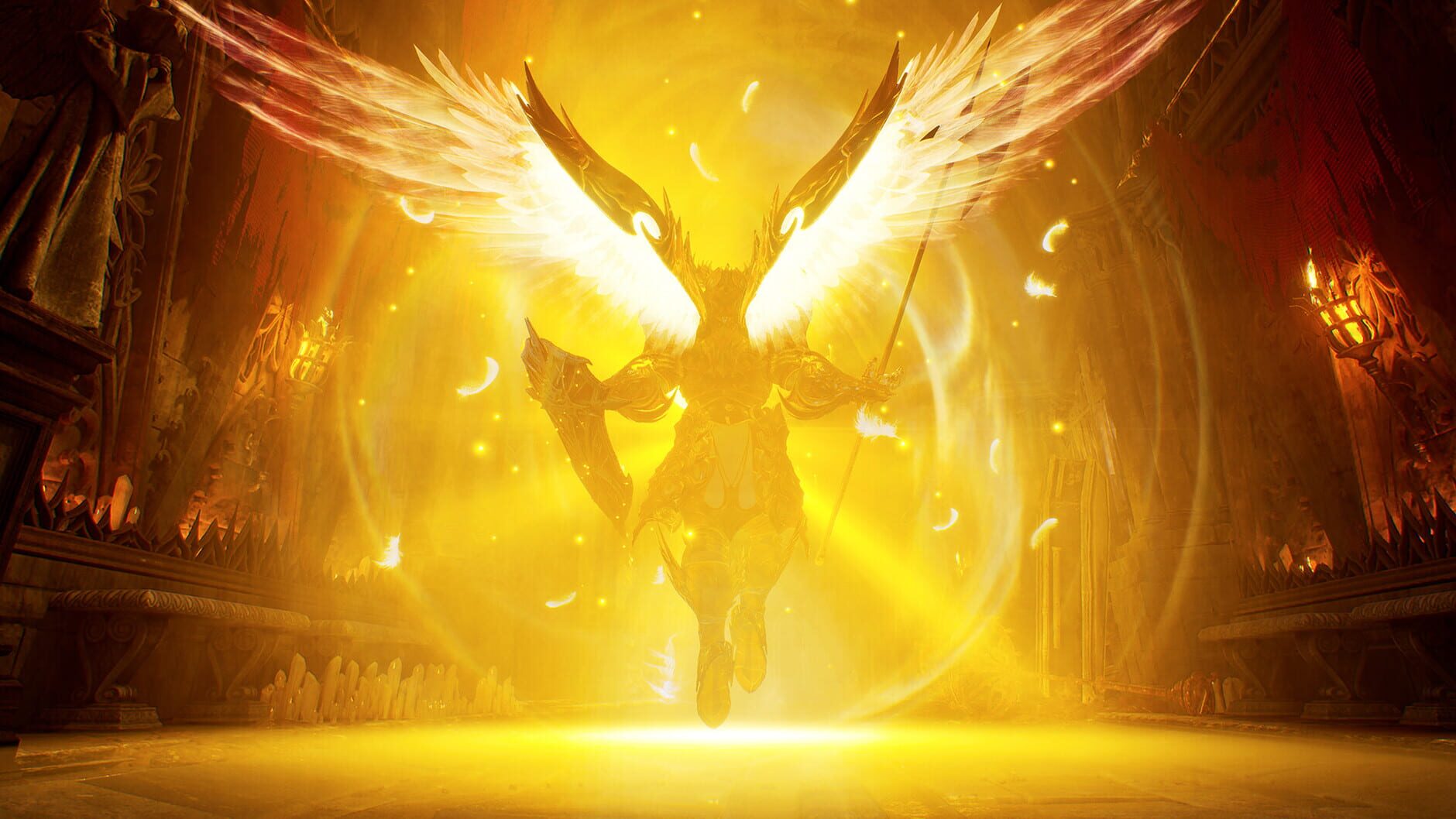
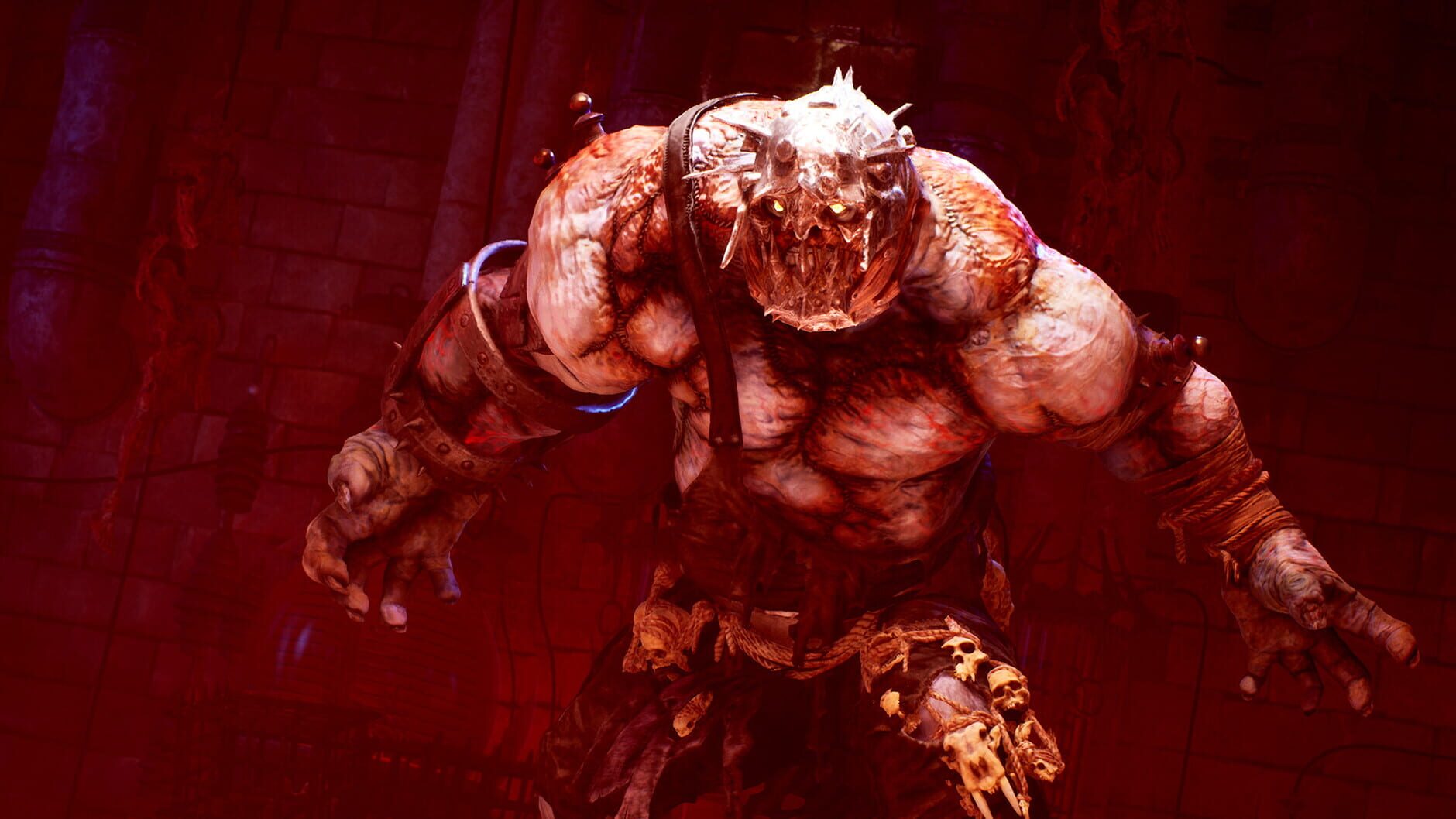
You chain heavy weapon strikes with evolving celestial powers that trigger temporary transformations and devastating area-of-effect attacks. Early hands-on reports highlight unique, gory executions tailored to specific enemy types. The combat loop plays closer to the aggressive, empowering flow of a character action game like Darksiders, but anchored by modern ARPG build progression. Hits have heavy visual weight, and the focus is squarely on improvisational violence.
Co-op Could Make or Break It
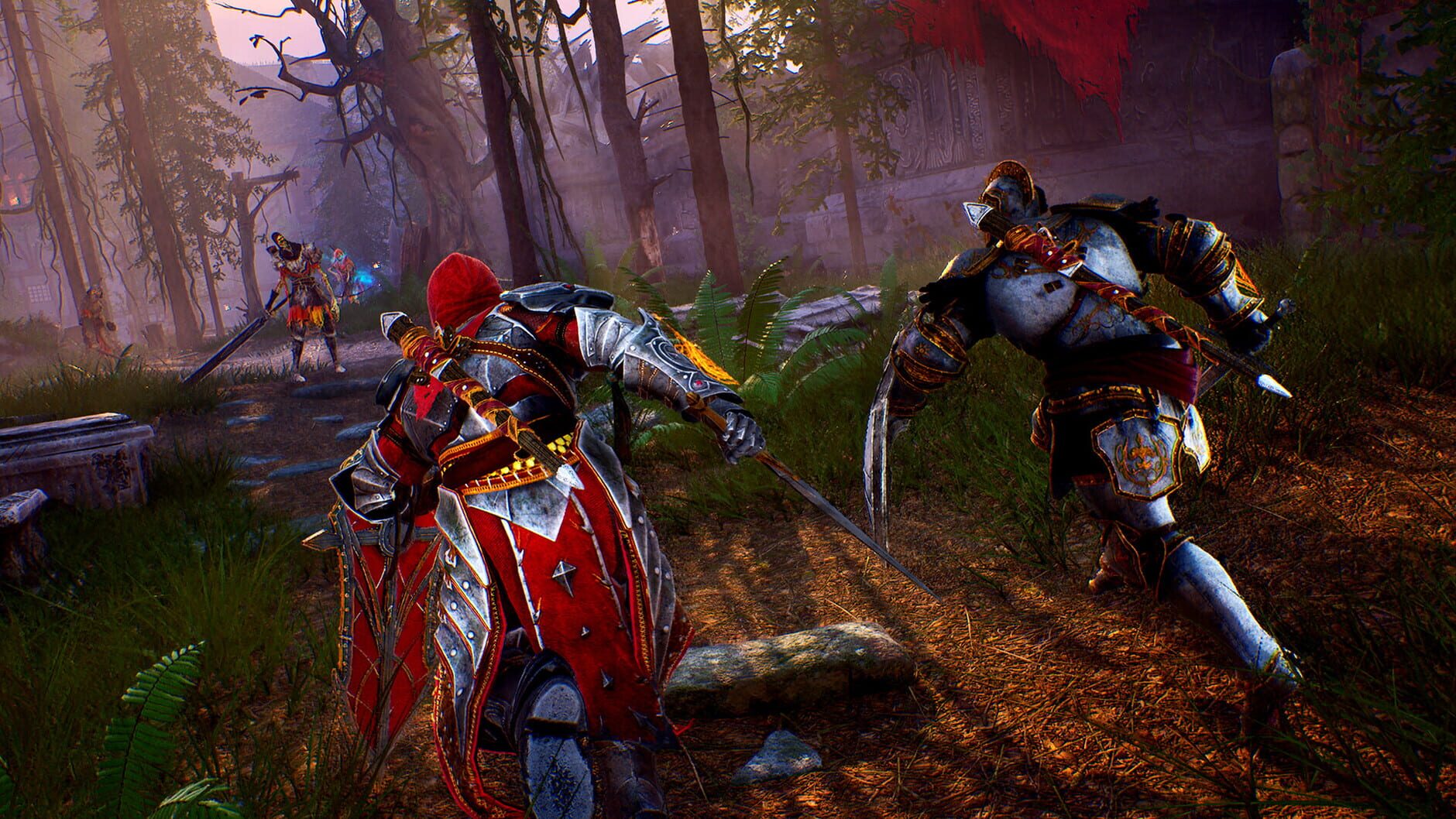
The game supports a dedicated two-player online co-op mode designed to change how you approach combat. Multiplayer introduces active ability synergies, allowing players to combine celestial magic and physical attacks for maximum damage.
Crucially, co-op implements a shared life pool and mid-battle resurrections. This adds genuine stakes to teamwork. To keep things balanced, the game features dynamic difficulty scaling, automatically altering enemy composition and health pools when a second player joins. The risk here is visual clutter; with two players throwing flashy seraphim powers around, keeping enemy attack tell-animations readable will be ProbablyMonsters' biggest optimization challenge.
More Than Just Dark Fantasy Vibes
Visually, Gildenarch stands out by swapping generic medieval mud for opulent, towering renaissance architecture and sharp lighting contrasts. The districts and wards reshape themselves across different runs, adding shifting environmental hazards.
The ultimate test for this structure will be the Dead Gods—the massive, climactic boss encounters waiting at the end of high-risk missions. For a mission-based loop to succeed, these bosses need complex, multi-phase mechanics that push your mechanical skill, rather than just being health sponges.
Builds, Progression, and Replayability
While the moment-to-moment combat looks fast and satisfying, the long-term loop relies entirely on what you take back to the Church hub.
Triumphs unlock new missions, modifiers, equipment sets, and permanent skill achievements. We know you can customize your armor and weapons, but the depth of the talent trees remains unproven. If the Nephilim powers lack deep variation, running the same city wards will quickly trigger fatigue. The end-game requires robust modifiers to justify the grind.
Why We’re Interested, But Not Fully Sold Yet
Crimson Moon has a clear identity: it’s fast, incredibly bloody, and explicitly built to be played with a friend. The shift away from standard open-world filler into tight, repeatable missions is promising.
We are holding our full endorsement until we see the final state of enemy diversity and loot scaling. A mission-based AA framework with AAA visuals can work beautifully, but only if the progression loop feels rewarding past the ten-hour mark.
Conclusion
Crimson Moon is positioning itself as a loud, aggressive alternative to a genre often defined by slow deliberation. Launching this September means it enters the busiest quarter of the gaming year, where it must deliver flawless performance and deep mechanics on day one to survive.
Does a high-speed, co-op crusade against the Dead Gods sound like your next definitive grind, or are you waiting for unedited endgame footage before you hail the Order?
0 Comments
to comment
No comments yet. Be the first to share your thoughts!