Castiny BetaYou're exploring an early version. Your feedback shapes the platform.
Back to the hub


EnglishNewsPCPlayStation 5Xbox Series X|S
Gaming Hardware Is Getting More Expensive: AI Demand Is Now Hitting Consoles, RAM and GPUs
Xbox and PlayStation prices have risen, memory costs have surged, and hardware manufacturers are warning about continued pressure on GPUs and storage
9 views·August 19, 2026· 9 min read
Xbox prices have risen again, PlayStation 5 is significantly more expensive than it was at launch, RAM prices have exploded and one of the world's major graphics-card manufacturers is warning that cheaper GPUs may become harder to find. AI is not the only reason gaming hardware costs more in 2026, but its demand for memory and computing infrastructure is now putting visible pressure on the hardware gamers buy.
Gaming hardware is doing something consoles were never supposed to do this late in a generation: getting substantially more expensive.
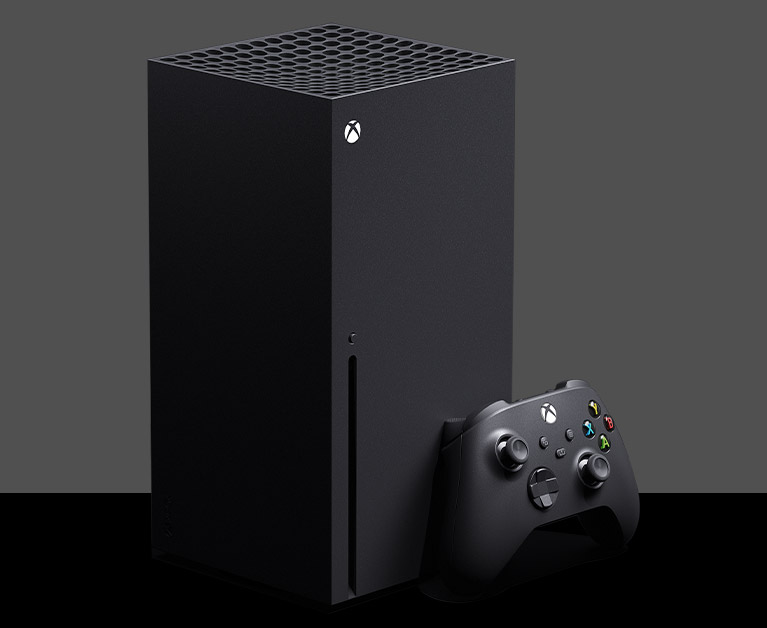
Microsoft's latest Xbox price increase took effect on August 1. The company raised prices worldwide, adding $100 to 512GB models and $150 to 1TB models in the United States while discontinuing the 2TB model. In Europe, the situation is even more striking. The 512GB Series S now sits at €499.99, while the disc-based 1TB Series X has reached €799.99.
Microsoft's explanation is unusually direct. The company says console storage and memory prices have increased by more than 2.5 times and expects those costs to double again by fall 2027. Xbox also pointed out that consoles are typically sold with extremely thin margins or below their manufacturing cost, making sudden component increases particularly difficult to absorb.
Xbox Series X. Image: Xbox
The reaction from Xbox players was immediate. The main r/Xbox discussion became less about whether the increase was justified and more about what this means for the price of future hardware.
One of the most-upvoted reactions said:
“Damn. I thought I overpaid for the 2TB model a couple years ago. Now I feel like I got a bargain at $599.”
The same user then asked the bigger question:
“How are they supposed to be launching a new console next year? Gaming is for the 1% now?”
Another replied that they would not be surprised if future hardware had to be delayed until component prices improved.
X post showing the Xbox increases:
PlayStation isn't escaping the problem either
Sony raised its own recommended prices earlier this year. The standard PS5 now costs $649.99 in the United States and €649.99 in Europe, while the PS5 Pro has climbed to $899.99 / €899.99. The PS5 Digital Edition is now €599.99 in Europe. Sony cited continued pressure in the global economic environment when announcing the changes.
That creates a very unusual situation. Consoles traditionally become cheaper as manufacturing matures. The original PlayStation, PS2, PS3 and PS4 generations all trained consumers to expect hardware revisions and lower entry prices later in the cycle. This generation has moved in the opposite direction.
The PlayStation community noticed exactly that.
“I’m old enough to remember when consoles went down in price over time, not up.”
Another user pointed out that the PS5 Pro moved from its original U.S. launch price of $699.99 to $899.99, while European users highlighted how far the standard hardware has moved above its original price.
X post showing the PlayStation increases:
The most interesting part is that the Xbox and PlayStation increases are happening while the PC component market is facing an even more extreme problem.
RAM prices have become ridiculous
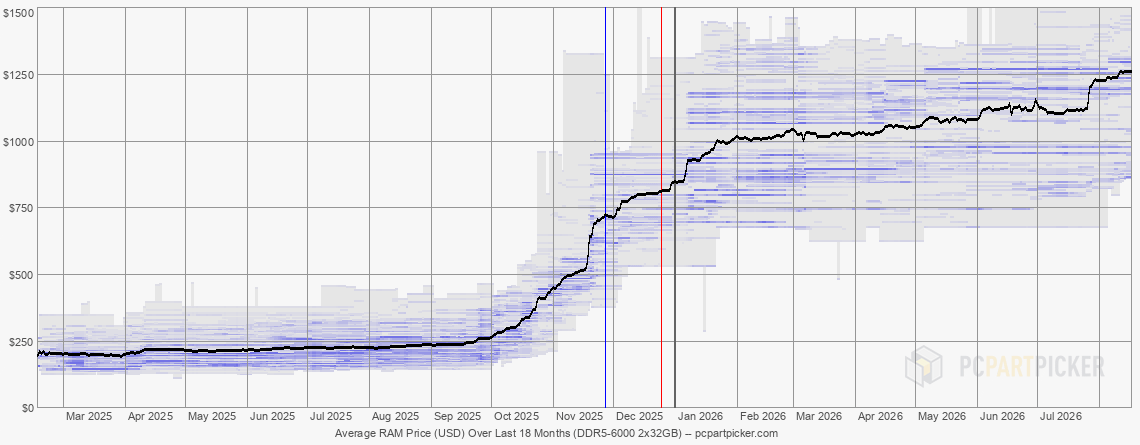
New pricing data published this week shows how severe the memory shortage has become. Tom's Hardware tracked DDR5 prices between August 2025 and August 2026 and found increases of 350% to almost 500% across several common configurations.
A 32GB DDR5-6000 kit that averaged around $108 in August 2025 is now around $572. A 64GB DDR5-5600 kit moved from roughly $191 to $1,118, while some premium 128GB kits have been listed as high as $3,399.
This chart is one of the best visuals to put in the article:
Average pricing for high-capacity DDR5 memory has surged dramatically. Chart: PCPartPicker / Tom's Hardware
The problem has spread to older memory too. DDR4 kits tracked in the same analysis were up roughly 120% to 180%, partly because buyers who could no longer justify DDR5 began looking at cheaper or older platforms instead. European memory prices have followed the same pattern, with separate tracking showing average RAM costs several times higher than late 2025 levels.
PC builders have been watching those increases in real time. One r/buildapc user described saving for a 64GB Corsair kit that had been around $280, only to return and find the same type of configuration priced around $547.
The title of the thread was fairly representative of the mood:
“WTF is going on with RAM???”
Watch: The DRAM crisis explained
That Gamers Nexus discussion goes deeper into the memory industry itself, including supply, pricing behaviour and the enormous shift toward memory required for AI infrastructure.
Why does AI affect the RAM in your gaming PC?
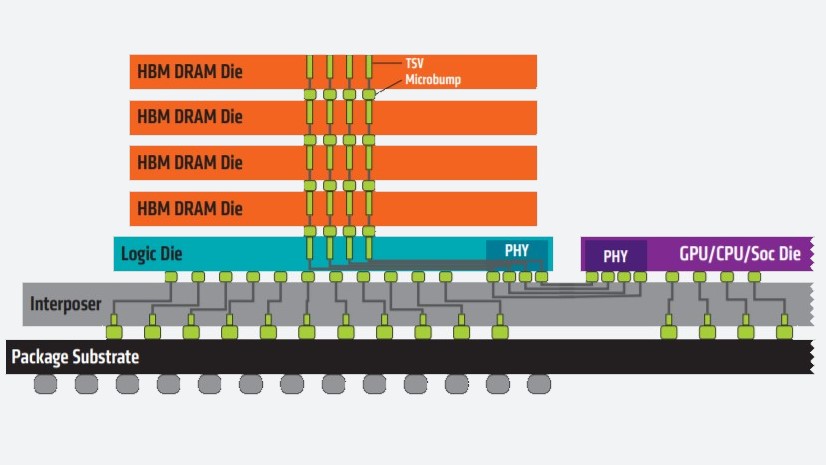
Modern AI infrastructure needs enormous quantities of memory. The highest-end AI accelerators rely heavily on High Bandwidth Memory, or HBM, and manufacturing HBM uses considerably more silicon and more complex packaging than ordinary consumer memory.
This diagram helps explain why:
HBM stacks multiple DRAM dies vertically around high-performance processors. Image: AMD / Tom's Hardware
As companies pour billions into AI data centres, memory suppliers naturally prioritize customers placing enormous high-margin orders. Consumer electronics companies then have to compete for the remaining DRAM, NAND and related manufacturing capacity.
That does not mean every price increase should simply be blamed on ChatGPT or AI. Exchange rates, tariffs, supply-chain conditions, manufacturing decisions and corporate pricing strategies all matter. There is also some disagreement over how much hardware companies are passing on genuine cost increases versus using shortages to improve margins.
That debate is becoming particularly relevant in the GPU market.
The next problem could be affordable graphics cards
PC Partner, a major graphics-card manufacturer connected with brands including Zotac, Inno3D and Sapphire, warned this week that graphics-memory costs are expected to rise further during the second half of 2026. More worrying for ordinary PC gamers, the company expects entry-level graphics cards to experience particularly severe shortages.
That matters because expensive flagship GPUs already exist for enthusiasts willing to spend heavily. The more damaging scenario for PC gaming is losing the bottom of the market.
If a player cannot afford an RTX 5090, that is normal. If affordable $200 to $350 graphics cards disappear or move significantly upward in price, building an entry-level gaming PC becomes much harder.
PC Partner's own numbers show how strange the market has become. In one part of its graphics-card business, unit shipments fell while revenue increased sharply because average selling prices climbed. Analyst Jon Peddie also told Tom's Hardware that he suspects manufacturers may be raising some prices by more than the actual increase in memory costs, meaning the shortage itself may be giving companies room to push margins higher.
Latest GPU shortage report:
Watch: Why higher hardware prices are becoming a threat to gaming
That discussion from IGN is useful here because it moves the conversation beyond individual console prices and asks what happens to the industry if the cost of entering gaming continues to climb.
Gamers are already buying less hardware
There is now evidence that higher prices are beginning to change consumer behaviour.
Fresh figures released in Germany today show spending on gaming hardware fell 8% year over year to €1.3 billion during the first half of 2026. The German games industry association specifically connected the weakness to chip shortages and higher hardware prices linked partly to demand from AI data centres. Its managing director Felix Falk jokingly described the situation as “RAMageddon.”
The overall German games market declined 3% to around €4.2 billion during the same period, although online gaming services continued growing. Normal hardware cycles also contributed to the comparison, particularly because the Switch 2 created unusually strong spending the previous year, so the 8% decline cannot be attributed entirely to expensive RAM.
Still, the direction is important. Higher prices do not necessarily mean more revenue. At some point, consumers simply stop buying.
That is potentially dangerous for the games industry itself. Publishers want increasingly ambitious games with larger worlds, better graphics and more demanding technology, but those games need a large enough audience with hardware capable of running them.
If upgrading a PC becomes prohibitively expensive and consoles move toward €700, €800 or €900, developers may eventually have to design around an increasingly fragmented hardware base.
What happens to the next console generation?
This is the part nobody can answer yet.
It would be irresponsible to claim the next PlayStation or Xbox will cost €800, €1,000 or any other specific number because neither Sony nor Microsoft has announced final next-generation pricing.
What we can say is that the economic environment for designing those machines has become considerably more difficult.
A next-generation console is expected to provide more memory, larger storage, a stronger GPU and significant improvements in CPU performance. Those are precisely the components currently facing pricing pressure.
Microsoft's statement is particularly revealing because it does not suggest the storage problem is about to disappear. Xbox says it expects current storage and memory costs to double again by fall 2027.
That makes the next few years unusually important. If component prices normalize, today's increases may eventually look like another temporary hardware crisis. If AI infrastructure continues absorbing enormous quantities of memory and manufacturing capacity, gaming companies may have to rethink what mainstream hardware is supposed to cost.
There is a reason the comment underneath Microsoft's announcement hit such a nerve:
“Gaming is for the 1% now?”
We are nowhere near a point where gaming itself is only for wealthy people. Hundreds of millions of players use older consoles, mobile devices, affordable PCs, cloud services and existing hardware every day.
But the newest and most powerful gaming hardware is moving noticeably further upmarket.
A Series X approaching €800, a PS5 Pro at €899.99 and RAM kits costing several times what they did a year ago are not small changes. They alter the calculation people make before buying or upgrading.
The uncomfortable question is no longer simply whether a PS5 or Xbox is worth its current price.
It is how expensive gaming hardware can become before a large part of the audience decides not to upgrade at all.
QUESTION
What is the absolute maximum you would pay for a next-generation console?
€500 or less | €600–€700 | €800 | €1,000+ | I would switch to PC / keep my current hardware
Drop your answer in the comments.
0 Comments
to comment
No comments yet. Be the first to share your thoughts!